
There’s a quiet kind of exhaustion that doesn’t announce itself. It doesn’t interrupt your day or pull you out of your routine. It sits beneath everything, steady, patient, almost polite. You can be productive, dependable, even successful, and still feel like something isn’t quite yours. I’ve been paying attention to that feeling for a while now. Not just in people, but in the way we’ve learned to move through the world as if disconnection is part of the cost. It’s not. And every now and then, you come across someone who has done the work of proving that.
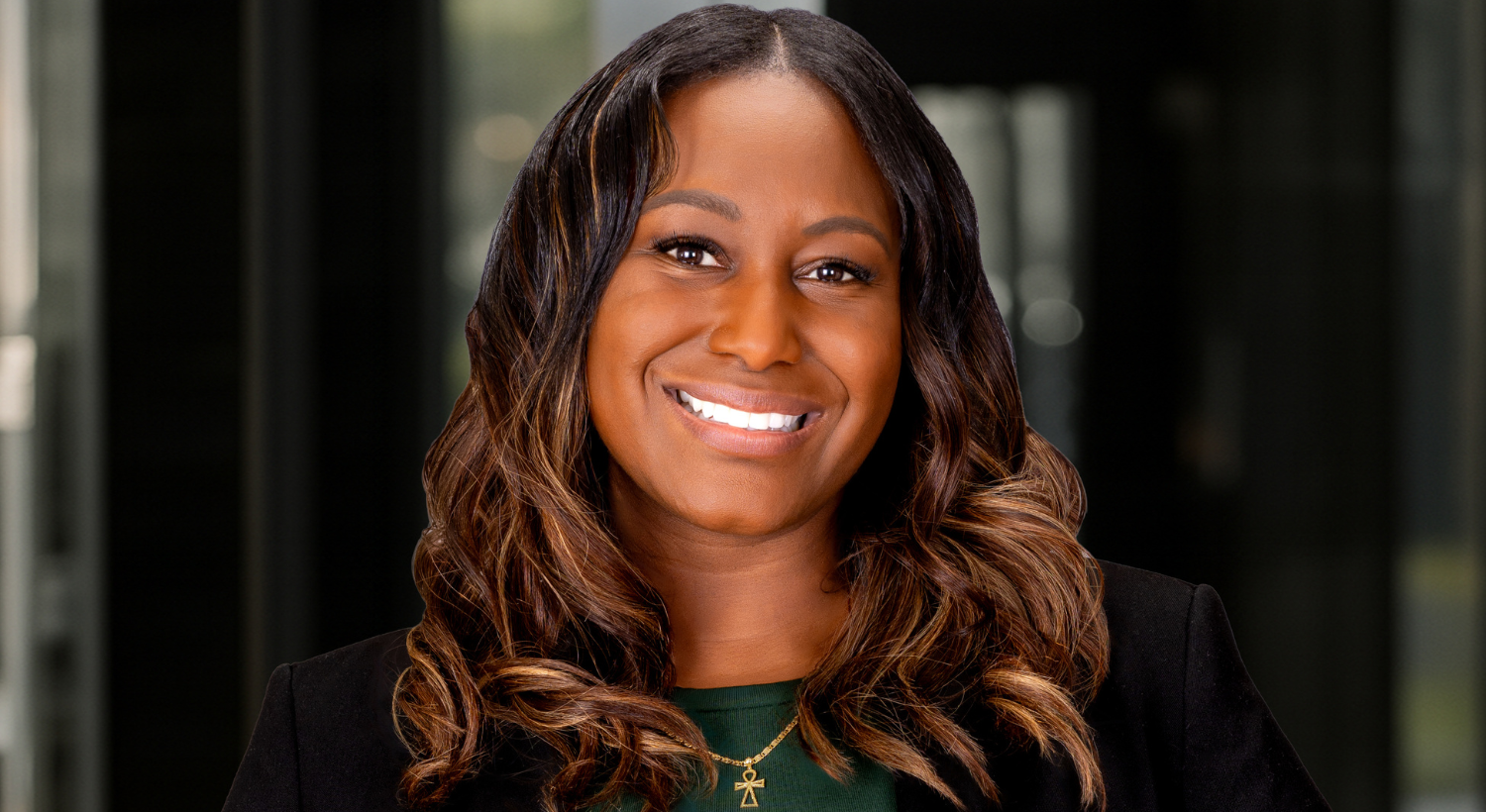
Dr. Niki DaCosta-Praino is one of those people.
We spend a lot of time celebrating resilience, but we don’t always stop to ask what it required. What it cost. What had to be reshaped or silenced to make that version of strength possible. For Dr. DaCosta-Praino, resilience started early.
Raised in a Jamaican household as the firstborn in the United States, she grew up with both pride and pressure woven into her identity. “You already have two strikes against you, you are Black and you are a woman in this world.” The message was meant to prepare her, and in many ways, it did. It taught her how to excel, how to anticipate, how to make sure that when she showed up, she was more than ready. But preparation has a shadow.
As she reflects now, “those words pushed me to excel… however, they also planted the belief that I had to overperform to be worthy and shrink myself to stay safe.”
A lot of people who look put together are actually holding themselves together. There’s a difference. For a long time, she mastered that balance. On the outside, everything worked. She showed up, achieved, carried what needed to be carried. There was composure, structure, a sense that things were exactly where they should be. But internally, there was distance. Not loud, not dramatic, just enough to feel like something essential had gone quiet.
“I didn’t realize how much of myself I was abandoning,” she says, looking back on that season. It’s a realization that tends to arrive slowly, until something forces it into focus.
For her, that moment came through betrayal. When a relationship she trusted was broken, it dismantled more than the connection itself. It disrupted the version of reality she had been holding onto and forced her to confront everything she had been carrying, everything she had been tolerating, and how far she had drifted from herself. “That moment cracked everything open,” she says. And once something opens like that, you don’t get to go back. You don’t return to who you were. You either rebuild honestly, or you continue performing a version of life that no longer fits.
What followed was not reinvention, but return. And returning to yourself is not the soft, aesthetic process people like to imagine. It’s uncomfortable. It requires you to sit with the parts of your life that made sense on paper but never felt right in your body. Before stepping into her work, her life looked like what many would recognize as normal, busy, full, structured around responsibility.
“I was constantly managing, constantly performing, constantly trying to keep the peace,” she explains. “On the outside, it looked like I had it all together. On the inside, I was exhausted.”
Rest, for her, wasn’t natural. It was negotiated. “I didn’t realize how deeply I had internalized the belief that rest had to be earned,” she says. Even the smallest moments of stillness came with resistance, a quiet but persistent voice listing everything that still needed to be done. That voice wasn’t personal. It was inherited, shaped by generations of survival and reinforced by a culture that equates exhaustion with commitment and overextension with value. For years, she carried it without question, until she began asking a different kind of question altogether: not how to keep up, but why she was carrying so much in the first place.
That shift marked the beginning of something deeper. “I stopped performing strength and started practicing truth,” she says. It’s a distinction that sounds simple, but changes everything. Performance can be sustained for a long time. Truth cannot. Truth demands alignment. It asks you to reconsider the beliefs you’ve built your life around and decide whether they still serve you.
She began unlearning. The belief that rest must be earned. That saying no is selfish. That love guarantees safety. That worth is tied to output. “I had to unlearn the belief that putting myself first is selfish… that my value comes from who I am when I’m still,” she says. Unlearning is not a single decision. It’s a practice. It requires awareness, repetition, and a willingness to choose differently, even when it feels unfamiliar.
Burnout, as she came to understand it, doesn’t always look the way we expect. It doesn’t always present as collapse. Often, it hides behind competence. “It’s the moment when you realize you’re functioning but not feeling,” she explains. And that kind of exhaustion is harder to name, because everything still looks right on the surface. The structure is intact. The responsibilities are handled. The life makes sense on paper. But internally, there is a disconnect that can’t be ignored forever.
Her approach to healing emerged from that realization. It wasn’t enough to adjust the surface. It had to go deeper. “True healing happens across four bodies… the physical, emotional, mental, and spiritual,” she says. Not separate systems, but interconnected ones, each holding its own form of memory. Healing, in her work, is not about fixing what is broken. It is about remembering what has been forgotten.
Realignment, as she defines it, is not transformation in the way we’ve been taught to understand it. It’s not about becoming someone new. It’s about returning. “Realignment… means remembering and choosing to return to yourself,” she says. Your voice, your rhythm, your truth. It’s the decision to move from noise to clarity, from external validation to internal alignment.

This is where her work separates itself. She doesn’t rush people. She doesn’t position herself as someone who fixes others. She holds space. “My work is guided by the belief that healing isn’t about fixing people… it’s about helping them remember who they are,” she says. That approach restores something many people don’t realize they’ve lost: ownership. It shifts the focus from dependency to self-trust.
The people who find their way to her often don’t look like they’re struggling. They are capable, reliable, and high-functioning. They show up and deliver. They hold space for everyone else. But they are tired. “They’re polished on the outside but quietly unraveling,” she says. The patterns she sees—people-pleasing, self-doubt, the instinct to apologize for taking up space—are not signs of weakness. They are signs of survival. And survival, when it’s no longer necessary, becomes a limitation.
Her work doesn’t force those patterns away. It creates space for something else. A return to the body, the voice, and a version of self that doesn’t require performance to exist. And when that happens, the impact extends beyond the individual. “When one person reconnects with themselves, they ripple that energy outward,” she explains. That ripple moves through relationships, through communities, through culture itself.
Because ultimately, this work is not just about healing individuals. It’s about shifting the way we live. A world where rest is not something you earn. Where truth is not something you hide. Where people no longer feel the need to abandon themselves in order to belong.
Inside CTZNS, that kind of work matters. This space has never been about visibility alone. It’s about recognizing individuals who are building something that changes how people move through the world. Dr. DaCosta-Praino is doing that. Quietly. Intentionally. Without the need to announce it.
And if something in this feels familiar, it’s not accidental. It’s recognition. The kind that doesn’t come from being told what to do, but from being reminded of what you already know. Because most people aren’t trying to become someone new. They’re trying to find their way back. “I want people to remember themselves,” she says. And not everyone knows how to hold space for that. She does.
Take your time with this one. Some things aren’t meant to be rushed.


Comment (1)
By Sherese Pow
May 7, 2026Beautifully written and truly inspiring. The article captured Dr. Niki’s character and journey in such an engaging and uplifting way. A wonderful tribute that was powerful, meaningful and enjoyable to read.